
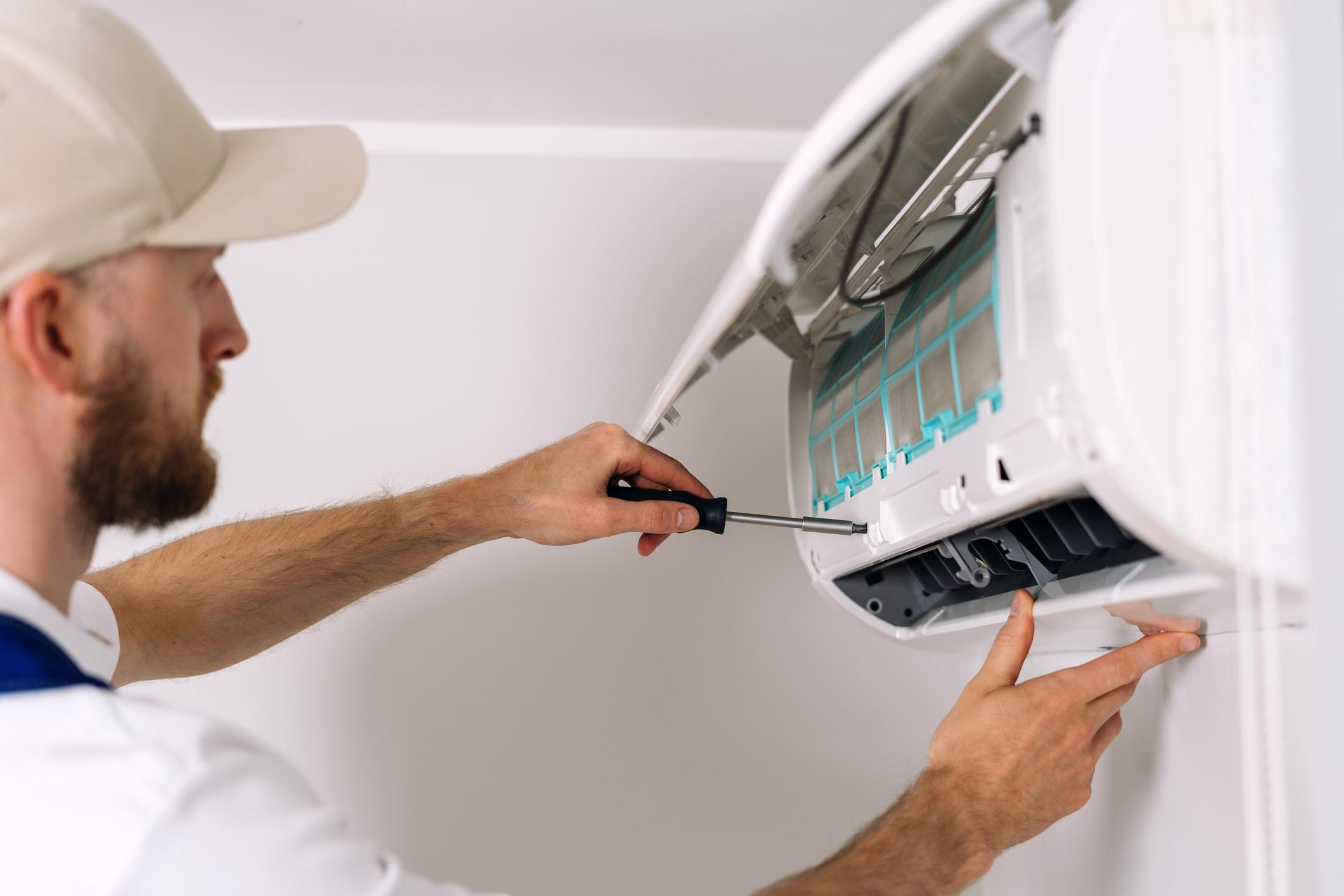
Many homeowners believe that facilities management is limited to large buildings or apartment complexes, and that implementing it in private homes would represent an unnecessary additional cost. However, practical experience has shown that facilities management in private homes is a smart investment that contributes to reducing operating expenses and preserving the home's quality and value in the long run.
Facilities management is based on the fundamental concept of preventative maintenance rather than emergency repairs. By conducting regular inspections of home systems such as air conditioning, electrical systems, and plumbing, problems can be detected in their early stages before they develop into major malfunctions requiring costly repairs.
For example, regular maintenance of air conditioning units not only improves their operational efficiency but also helps reduce energy consumption and lower electricity bills. Early detection of water leaks or electrical faults also prevents more extensive damage that could affect the home's structure or finishes.
Another key benefit of facilities management is extending the operational lifespan of household appliances and equipment such as air conditioning systems, water pumps, and water heaters. When these are maintained according to a clear and organized plan, the need for frequent replacements is reduced, resulting in significant long-term savings.
In addition to the financial aspect, facilities management provides a higher level of comfort and security for homeowners, as all maintenance and services are handled professionally and systematically, ensuring the home remains in optimal condition.
Ultimately, facilities management for private homes is not an additional expense, but rather a smart strategy for managing real estate assets efficiently, reducing operating costs, and preserving the home's value and quality for years to come.